

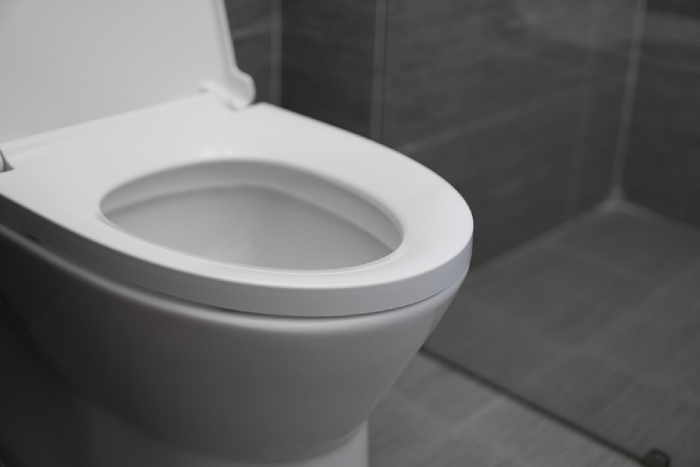
A toilet bowl can look spotless at first glance. The water is clear, the porcelain shines, and there is no obvious smell. Yet despite appearances, toilets are one of the most bacteria-prone fixtures in any home. In Singapore’s warm and humid climate, bacteria can thrive even faster, turning bathrooms into hidden hotspots for germs if hygiene is not managed properly.
Many households invest in good cleaning products but still unknowingly make hygiene mistakes that allow bacteria to build up over time. This article breaks down what really happens inside toilet bowls, the most common hygiene mistakes homeowners make, and how choosing the right toilet design can make everyday cleaning easier and more effective. If you care about maintaining healthy toilet bowls in Singapore, understanding these hidden risks is a crucial first step.
How Dirty Can a Toilet Bowl Really Get?
Toilet bowls are constantly exposed to moisture, waste, and microscopic particles released during flushing. These conditions create an ideal environment for bacteria, germs, and biofilm to form.
Biofilm is a thin, sticky layer of bacteria that clings to surfaces inside the bowl, especially in areas with constant water flow. Once established, it becomes harder to remove with casual cleaning. Common bacteria found in toilet bowls and surrounding areas may include E. coli, Salmonella, and other microbes that can contribute to stomach upsets or skin irritation if hygiene is poor.
Bathrooms often feel clean because surfaces look tidy and smell fresh. However, visual cleanliness does not always equal true hygiene. Many harmful microbes are invisible to the naked eye and can linger even in well-maintained homes.
Hygiene Mistake #1: Only Cleaning What You Can See
One of the most common mistakes is focusing only on visible stains or water marks. While scrubbing the bowl interior helps, many homeowners overlook hidden zones where bacteria thrive.
The underside of the rim, inner curves of the bowl, and areas where water flows during flushing are prime spots for bacteria buildup. These areas are harder to reach with standard brushes, allowing germs to multiply quietly over time.
When cleaning focuses only on what is visible, bacteria in these hidden zones continue to spread, undermining overall bathroom hygiene.
Hygiene Mistake #2: Forgetting the Toilet Seat, Lid, and Flush Button
High-touch areas around the toilet often collect more germs than the bowl itself. The toilet seat, lid, and flush button are touched multiple times a day, sometimes with unwashed hands.
Flushing can also create micro-splashes that spread bacteria onto nearby surfaces. Without regular cleaning of these areas, germs can easily transfer to hands and other parts of the bathroom.
True toilet hygiene goes beyond the bowl. A complete cleaning routine should always include all surrounding contact points.
Hygiene Mistake #3: Using the Wrong Cleaning Tools
Even with good intentions, using the wrong tools can make hygiene worse. Reusing toilet brushes without sanitising them allows bacteria to transfer back into the bowl during the next clean.
Shared cloths or sponges used across different bathroom surfaces can also cause cross-contamination. A cloth used on the sink or counter should never be reused on the toilet.
Tool hygiene matters just as much as toilet hygiene. Clean tools reduce the risk of spreading bacteria rather than removing it.
Hygiene Mistake #4: Infrequent or Inconsistent Cleaning
Many households rely on weekly cleaning routines, assuming that is enough. In busy homes with large families, children, or elderly users, bacteria can build up much faster.
Frequent use, occasional spills, and constant moisture accelerate bacterial growth. Signs that your toilet needs more frequent attention include lingering odours, visible buildup under the rim, or discolouration that returns quickly after cleaning.
Consistency is key. Smaller, regular cleaning habits often work better than occasional deep cleans.
Hygiene Mistake #5: Ignoring Limescale and Stubborn Build-Up
Limescale forms when minerals from water settle and harden on the toilet surface. While it may seem like a cosmetic issue, limescale creates rough surfaces that trap bacteria and odours.
Once buildup becomes severe, toilets become harder to clean effectively. Even strong cleaners may struggle to penetrate hardened deposits, allowing bacteria to persist underneath.
Over time, neglected limescale can compromise both hygiene and the lifespan of the toilet bowl.
How to Keep Your Toilet Bowl Hygienic Every Day
Maintaining hygiene does not always require harsh chemicals or long cleaning sessions. Simple daily and weekly habits can make a significant difference.
Light daily rinsing, regular wiping of high-touch areas, and consistent weekly scrubbing help prevent bacteria from gaining a foothold. Paying attention to hidden areas under the rim and around the seat ensures more complete hygiene.
Smart habits, combined with the right toilet design, reduce the need for aggressive cleaning while keeping bacteria levels low.
Choosing a More Hygienic Toilet Bowl Design
Beyond cleaning habits, toilet design plays a major role in long-term hygiene. Advanced designs reduce areas where bacteria can hide and make cleaning easier.
How TOTO toilets improve cleanliness
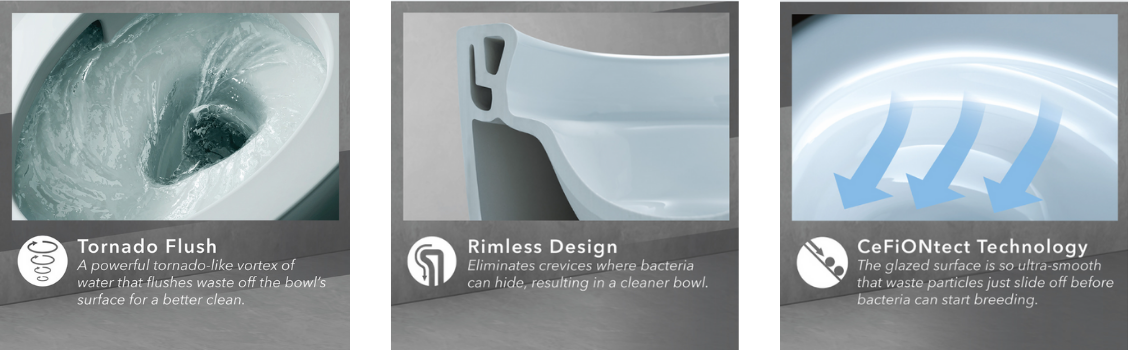
Brands like TOTO focus heavily on hygiene innovation, developing technologies that address common cleaning challenges.

1. CeFiONtect is a specialised ceramic glaze that creates an ultra-smooth surface. This prevents waste and bacteria from sticking easily, making bowls easier to clean and less prone to buildup.
2. Rimless designs remove the traditional rim where bacteria often hide, allowing water to flow evenly and making the entire bowl easier to access during cleaning.
3. Tornado Flush creates a powerful, swirling water flow that cleans the bowl more thoroughly with each flush, reducing residue and improving hygiene without excessive water use.
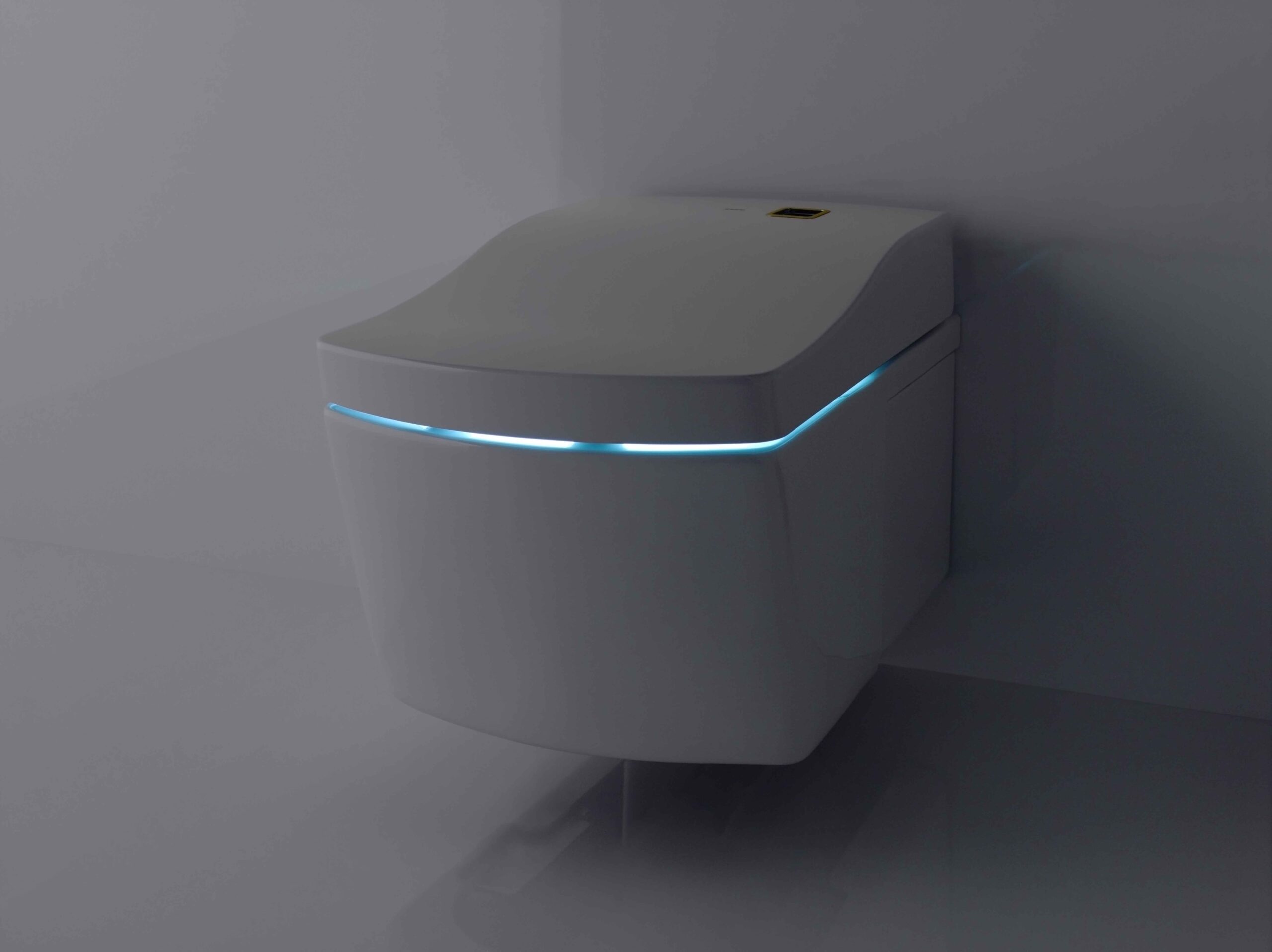
4. Actilight uses light-activated technology to break down bacteria and organic matter over time, helping maintain cleanliness between cleanings.
These features work together to support cleaner toilets with less effort, especially in busy households.
Conclusion: A Cleaner Toilet Means a Healthier Home
Toilet hygiene goes far beyond what the eye can see. Hidden bacteria, overlooked areas, and outdated designs can quietly impact household health over time. By understanding common hygiene mistakes and adopting better cleaning habits, homeowners can significantly reduce bacterial risks in the bathroom.
Choosing a thoughtfully designed toilet bowl also plays a key role. Modern hygiene-focused designs, such as those from TOTO, make it easier to maintain cleanliness every day.
If you are looking to upgrade your toilet bowl or explore more hygienic bathroom solutions, Fullsun Marketing offers a curated range of trusted sanitaryware and expert advice to help you choose the right option for your home. Visit Fullsun Marketing to discover solutions that support a cleaner, healthier living environment.