

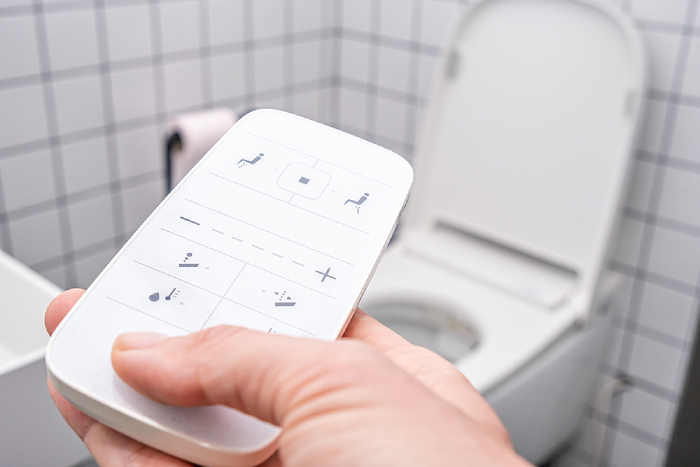
Bidet toilets are no longer viewed as an indulgence reserved for luxury hotels or overseas trips. In Singapore, they have steadily become a practical bathroom upgrade for homeowners who value hygiene, comfort, and modern living. Yet despite growing adoption, one concern still surfaces frequently during renovation planning or showroom visits: will a bidet toilet in Singapore increase PUB bills?
What Is a Bidet Toilet and How Does It Work?
A bidet toilet integrates a washing function directly into the toilet bowl. Instead of relying entirely on toilet paper, users cleanse with a gentle, targeted spray of water delivered through a retractable nozzle. This nozzle is positioned precisely and retracts after use to maintain hygiene.
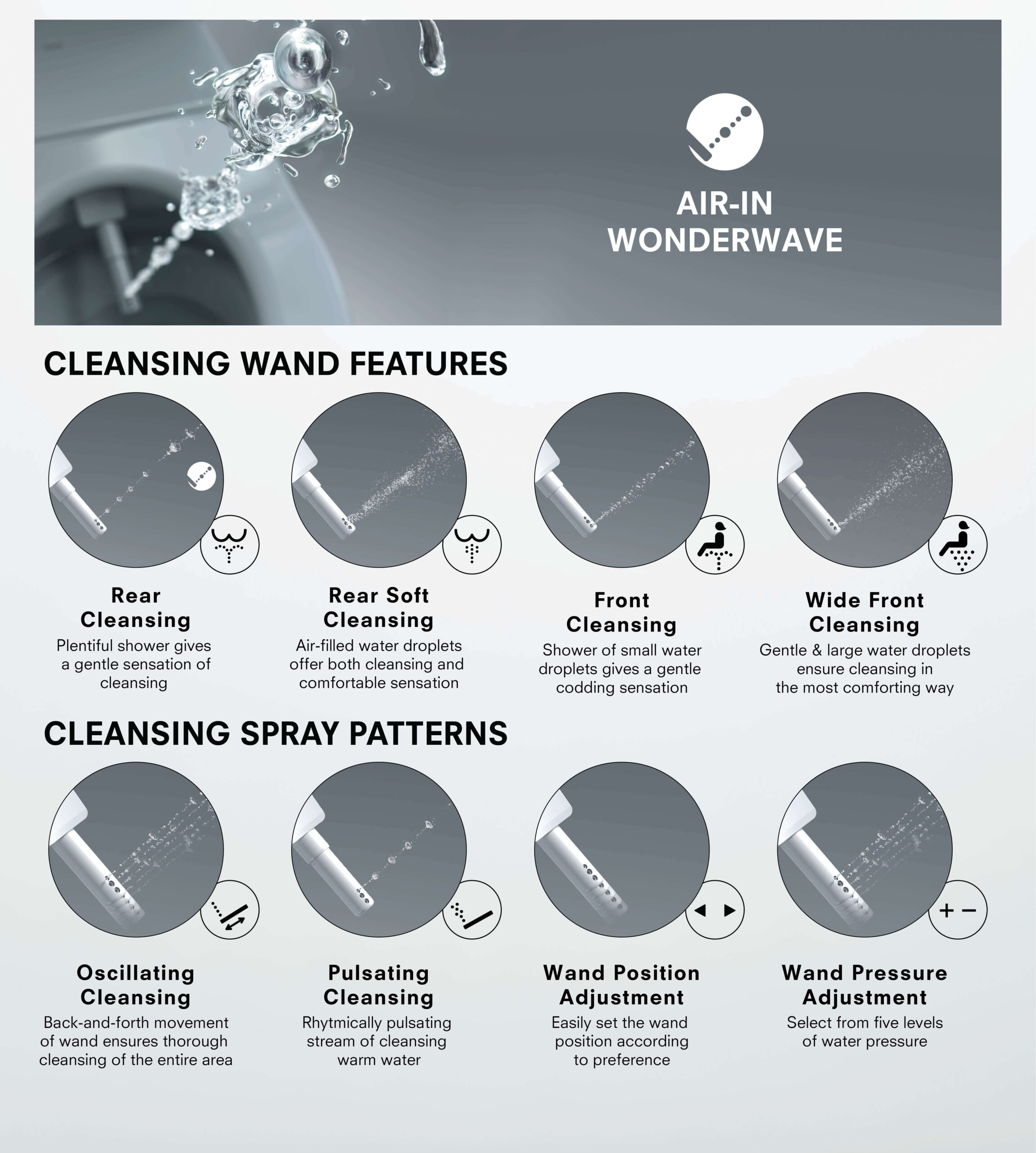
Modern bidet toilets often allow users to adjust spray strength, temperature, and position. Some models also include air drying, deodorisation, and seat warming. Importantly, these features operate independently from flushing. The flush uses the same mechanism as a standard toilet, while the bidet wash uses a small, controlled volume of water.
How Much Water Does a Bidet Toilet Actually Use?
One of the most common misconceptions is that bidet toilets use a lot of water. In reality, the opposite is true.
A typical bidet wash cycle uses about 0.3 to 0.6 litres of water. This figure remains consistent because the spray duration and flow rate are carefully regulated. Even if the bidet is used multiple times a day, the total water consumption remains modest.
Bidet washing uses less water than many people expect because of how targeted the system is. Unlike a tap or shower, where water can run freely, the bidet nozzle delivers water only where needed and only for a short period. There is no excess rinsing or splashing.
Will a Bidet Toilet Increase Your PUB Water Bill?
When translated into monthly household usage, the impact becomes clearer. If one person uses the bidet twice a day at approximately 0.5 litres per wash, that adds up to around 30 litres per month. In an average Singapore household that uses thousands of litres monthly, this increase is barely noticeable.
Even in larger families, bidet usage contributes only a small fraction of overall water consumption. Showers, laundry, dishwashing, and cooking have a far greater influence on PUB water bills.
The increase remains minimal because bidet cycles are short and predictable. There is no risk of forgetting to turn off the water or using more than intended. Some households even find that improved hygiene reduces unnecessary repeat flushing, which can help balance total water use.
This is where TOTO’s design philosophy becomes especially relevant. TOTO bidet toilets are developed with water optimisation as a core principle. Their proprietary spray technology focuses on effective cleansing using minimal water, making them suitable for PUB-conscious homes that want modern comfort without unnecessary consumption.
Understanding Electricity Usage in Bidet Toilets
Electricity usage is another area where assumptions often exceed reality. It helps to understand which features actually require power.
Electricity is mainly used for comfort-related functions such as seat warming, instant water heating, air drying, and deodorisation. These features are optional and adjustable. Users can customise settings or turn them off entirely if they prefer a more basic experience.
Crucially, basic flushing does not require electricity. The water spray itself uses very little power, especially in modern systems that heat water instantly rather than storing it. Instant heating means electricity is used only during active washing, not continuously throughout the day.
TOTO smart bidet toilets are a good example of energy-efficient design. Many models incorporate intelligent power-saving modes that reduce energy usage when the toilet is idle. Seat temperatures may automatically lower during long periods of non-use, and sensors ensure features activate only when someone is seated. This prevents unnecessary standby power consumption.
How Much Electricity Does a Bidet Toilet Use Monthly?
In practical terms, most bidet toilets use around 8 to 22 kilowatt-hours of electricity per month in a typical household. This usually translates to just a few dollars added to the electricity bill, depending on usage habits and which features are enabled.
To understand how modest this is, consider everyday appliances. A single session with an electric water heater or a few hours of air conditioning can consume more electricity than a bidet toilet does in an entire month. Even common items like hair dryers, kettles, or microwaves draw more power in short bursts.
Viewed in this context, a bidet toilet is one of the more energy-efficient electrical fixtures in a modern bathroom.
Comparing Bidet Toilets to Traditional Toilets
Traditional toilets may seem simpler, but they rely heavily on toilet paper. Over time, the cost of paper purchases adds up, and there are environmental implications tied to production, transport, and disposal.
Bidet toilets reduce reliance on paper by shifting part of that function to water and minimal electricity. From a hygiene perspective, water-based cleansing is generally more thorough and gentler, especially for children, elderly family members, or those with sensitive skin.
Sustainability is another factor. Reduced paper use supports waste reduction efforts and aligns with Singapore’s broader environmental goals. Comfort and cleanliness are added benefits that many homeowners appreciate once they make the switch.
Many homeowners choose TOTO bidet toilets for long-term value rather than short-term cost savings. TOTO’s reputation is built on durability, precision engineering, and consistent performance. Their bidet toilets are designed to last, reducing the need for frequent replacements or repairs and offering better value over time.
Can Bidet Toilets Help Reduce Other Household Costs?
Beyond water and electricity, bidet toilets can contribute to savings in other areas. Reduced toilet paper usage is often the most immediate and noticeable change. Over months and years, this can result in meaningful cost savings, especially for larger households.
Using less paper can also reduce wear on plumbing systems. Fewer blockages and less strain on pipes may translate to lower maintenance costs over time.
Premium bidet toilets are also built with longevity in mind. High-quality materials and reliable internal components mean fewer breakdowns and a longer lifespan. For homeowners, this reduces the frequency and cost of replacements, making the investment more economical in the long run.
Conclusion: Comfort, Hygiene, and Efficiency Can Coexist
Bidet toilets do not significantly increase PUB water or electricity bills when designed and used responsibly. In fact, modern systems are engineered to use far less water and energy than many people expect. Understanding how these toilets work helps homeowners make informed decisions rather than relying on assumptions.
If you are considering upgrading to a bidet toilet or exploring water-efficient bathroom solutions, Fullsun Marketing offers a curated range of trusted brands such as TOTO, along with expert guidance to help you choose the right model for your home. Visit Fullsun Marketing to explore solutions that combine comfort, sustainability, and long-term value for PUB-conscious Singapore households.